



Valuing others in relationship
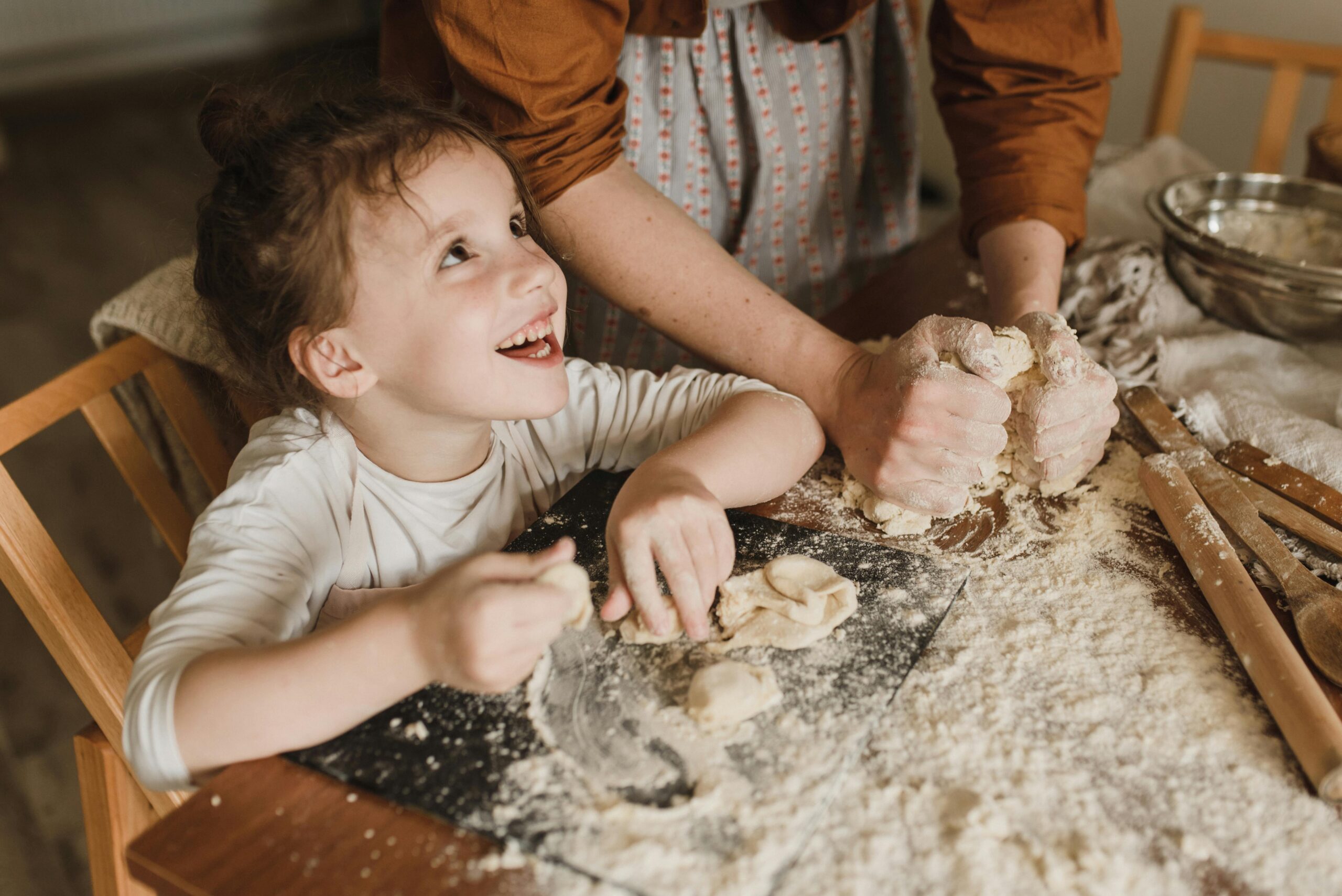
Kids love to do things alongside their parents. Over the past several weeks, I’ve asked my patients what they enjoy doing with their parents. I’ve heard about camping, hiking, fishing trips, and amusement parks. Sports, crafts, cooking, and vacations at the beach also make the list of favorite things for kids to do with their parents.
All of these activities are ways of expressing alongside-of love. For young children, the opportunity to participate alongside their parents in doing something is monumental. Getting to help bake a cake, hammer a tent stake, cast a fishing lure, or build a fire is a reward unto itself. Being able to do that with a parent is even better.
This is my second essay exploring three common Greek words that describe love’s aspects. In his book Pluriform Love1, Thomas Jay Oord identifies ways love is expressed based on three Greek words for love: eros, philia, and agape. Here, I’ll discuss philia as it relates to parenting.
Philia is an expression of love Oord refers to as alongside-of love. Most often connected to friendship, Greek philosophers extended the meaning of philia to include families and groups of people who live together sharing a common purpose. Philia works toward the well-being and goodwill of each in the relationship.
God uses alongside-of love, calling creatures to participate in co-creation. The Genesis account of creation tells the story of God extending an invitation to creation to flourish uniquely. As creation emerged, the invitation was to “be fruitful and multiply.”2 This was not a divine call for static replication. Instead, God called creation to participate in the ongoing creation of the world, adding novelty and enabling flourishing.
Christian scripture also shows God demonstrating love alongside of others. Jesus describes his continual call to cooperate with “the Father,” who loves him with alongside-of love. “Jesus said to them, ‘Very truly, I tell you, the Son can do nothing on his own, but only what he sees the Father doing; for whatever the Father does, the Son does likewise. The Father loves [philei] the Son and shows him all that he is doing…”3 God invites, and Jesus joins working together in alongside-of love toward divine aims of well-being.
Parents use alongside-of love with their children when they say things like, “Let’s play together,” “I’d like to take a walk with you,” or “Can you help me put this puzzle together?” Invitations to do or make something together are ways to express love this way. Children naturally want to be with and imitate their parents. Using play and leisure time to encourage this kind of cooperation builds the relationship between parents and their children.
Children also enjoy and learn from being invited to help with family life. They naturally want to participate and cooperate in what parents are doing. Michaeleen Doucleff studies how different cultures involve their children in the family’s daily work. She observes, “Here in the West, we often employ two types of motivation: rewards (e.g., praise, gifts, stickers, allowances) and punishment (e.g., yelling, time-outs, groundings, threats). But in many other cultures, moms and dads tap into another type of motivation: a child’s desire to fit in with their family and to work together as a team. To belong.”4 When parents regularly invite their children to help with household tasks, they teach new skills and consistently share relationships that exemplify alongside-of love.
Alongside-of love values others in relationship. Parents use this expression of love when they create alongside their children and invite them to participate in the family’s activities and work.
Subscribed
1 Thomas Jay Oord, Pluriform Love: An Open and Relational Theology of Well-Being (Grasmere, ID: SacraSage, 2022).
2 Gn 1:22,28 (NRSV).
3 Jn 5:19-20 (NRSV).
4 Michaeleen Doucleff, Hunt, Gather, Parent: What Ancient Cultures Can Teach Us About the Lost Art of Raising Happy, Helpful Little Humans (New York, NY: Avid Reader Press, 2021), 85.
image: Pexels – Arina Krasnikova
0 Comments